Bur Dubai: History, Attractions, Shopping, Food and Transport
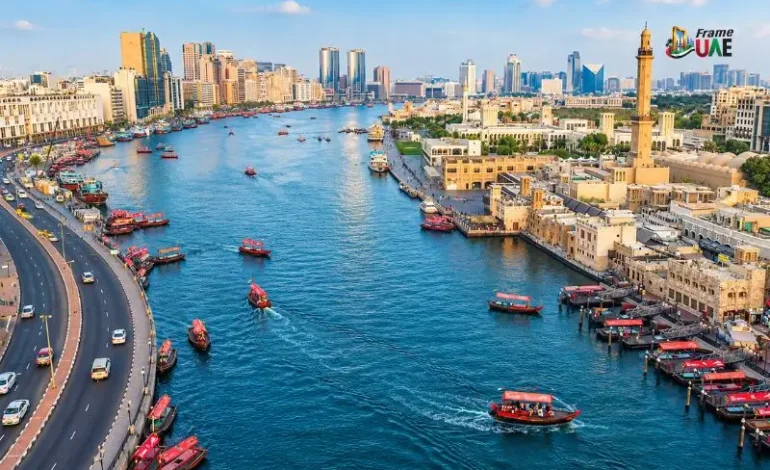
Bur Dubai is a historic district on the southern side of Dubai Creek, featuring traditional markets, heritage sites, restaurants and convenient access to Old Dubai. It has several important sights to visit, like Al Shindagha Museum, Al Fahidi Historical Neighbourhood and the Textile Souk. Dubai Metro, buses, and traditional abras are also available for visitors to explore the surrounding areas. The district has a rich history, a vibrant food culture and a waterfront location, making it a convenient place to experience Dubai’s past and culture.
What is Bur Dubai known for?
Dubai Creek, traditional markets and historic neighbourhoods are part of the district. Visit Dubai says it is a city where visitors can discover the city’s history, taste traditional souks, traditional cuisine, and the old waterfront.
Geography of value is a significant factor in its importance. The Dubai Creek was historically a hub of trade and shipping, and the areas next to the creek became significant residential and business districts. Al Fahidi Historical Neighbourhood along the creek has been identified as one of the major heritage sites by the UAE Ministry of Economy and Tourism, with some museums, exhibitions, and restaurants all in the area.
It is especially convenient for those who wish to enjoy a number of experiences within a relatively small geographic area in the city. All in one, you’ll see heritage architecture, museums, souk shopping, creek transport, and South Asian and Middle Eastern food all in one visit.
Where is Bur Dubai located?
The district is located on the south bank of Dubai Creek, with Deira on the north bank. The historic parts of the district comprise Al Fahidi, Al Shindagha and the streets around the old souks, and extend into the established residential and commercial neighbourhoods.
The creek is helpful to use for navigating the area when planning a trip. Access on foot or by short local connections is available from the waterfront to traditional markets, and to heritage districts and transport terminals.
Al Fahidi Historical Neighbourhood is one of the main references. According to the National Cultural Map, the neighbourhood is situated along Dubai Creek and maintains the architecture of the traditional life of Dubai from the middle of the 19th century to the 1970s. Many of its buildings have the characteristics of wind towers, narrow passages, and traditional materials.
Al Shindagha is also naturally linked with the wider historic area to the west. Al Seef, Al Fahidi and Al Shindagha are officially mapped as the historic areas arranged around the creek.
Best things to do in Bur Dubai
The best thing is that it is not just a sight to see, but it has so much to experience. The following attractions can be combined to make a half-day or full-day trip.
Explore Al Fahidi Historical Neighbourhood.
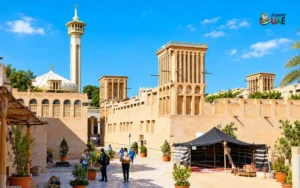
The best place to begin the study of Old Dubai is the Al Fahidi Historical Neighbourhood. It has been restored, and its architecture is characterized by narrow lanes, courtyards, and wind towers, and several of its buildings are now used as cultural venues, galleries, and museums.
Dubai Culture also says that the neighbourhood provides for cultural and artistic events, such as exhibitions, specialist museums and creative spaces. The setting is especially conducive to walking since one gets the experience from the streets, buildings, and not just from the attractions.
Visit Al Shindagha Museum
One of the larger heritage sites of the area is the Al Shindagha Museum. The museum is housed within a vast historic complex and in several houses and pavilions; it presents various facets of Dubai’s cultural narrative.
It has an official museum catalogue that lists 22 pavilions in 80 houses covering such themes as Dubai Creek, traditional crafts, jewellery, healthcare, perfume, poetry, food, and maritime culture.
The museum also provides historical background to the development of Dubai around the creek, which one can only gain by walking through the souks.
Walk through the Textile Souk
One of the most iconic traditional shopping areas in the area is the Textile Souk. Fabrics, clothes, accessories, and mementos are sold in the shops, and the market is also part of the heritage walk route from Al Fahidi to the creek.
The Textile Souk is a key step on Dubai’s heritage walking tour, which is part of the historic trading environment in the city.
What’s different about shopping here is that it’s more about window shopping and comparing prices than shopping in a traditional mall. Time should be taken to visit various shops and not just make a quick purchase.
Cross Dubai Creek by abra
The best way to experience this historic connection between the two sides of Dubai Creek is by taking an abra ride across the water. There are traditional boats that link the waterfront spaces of each district and provide a brief waterfront perspective of the creek.
Visit Dubai now talks about the traditional abra crossing from the Bur Dubai side to the Deira side with a crossing charge of AED 1 and includes this crossing in its heritage walking tour. Fares and operating conditions may vary; it is advisable to check the latest information from the RTA before travelling.
Explore the historic waterfront.
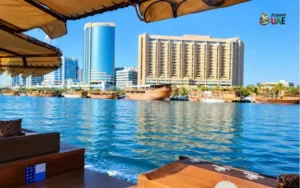
It is especially attractive in the creekside area during the late afternoon and evening when the temperatures are usually more pleasant. The ambiance of the traditional boats, waterfront buildings, and views towards Deira gives a sense that many of the areas are much older than much of modern Dubai.
A more modern take on the same theme is seen at nearby Al Seef with traditional facades and restaurants, shops and waterfront areas. The area is easily accessible via public transport and offers abra and water-taxi services, says Visit Dubai.
Shopping in Bur Dubai
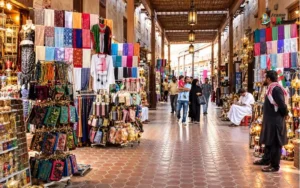
This is a shopping experience unlike the big luxury malls in Dubai. The district is also more appropriate for traditional markets, textiles, jewellery, everyday goods, clothing and souvenirs.
Meena Bazaar is one of the most famous shopping hubs. According to Visit Dubai, it is a traditional shopping area, with an Indian influence, and is of particular interest to those interested in shopping for clothing, jewellery, fabrics and South Asian cuisine.
Another must-visit is the Textile Souk, where you can find traditional-style fabrics and textiles. For those with an interest in jewellery, it is possible to cross the creek from the south to the Gold Souk in Deira with an abra or another crossing point on the creek.
BurJuman is a big mall, serving the wider area for traditional retail shopping, while smaller shopping centres and local stores offer a wider selection of daily shopping items. This allows people to shop at the market while enjoying a cool temperature inside the shops without having to leave their areas.
Food and restaurants

The area’s most obvious benefit is the mouth-watering variety of food available. The South Asian restaurants, which are long-standing, are located next to Arabic, Iranian, Indian, Pakistani, and international options.
Expatriate communities and trade history are reflected in the food scene. Around Al Fahidi and the creek, one could find cheap and casual meals and heritage-style meals as well.
Arabian tea house is among the heritage eating places in Al Fahidi. It is part of the official Dubai Old City cultural walking tour by Visit Dubai too and has its address written on Al Fahidi Street.
Alternatively, Al Seef and Al Fahidi boast a number of traditional Emirati restaurants for a more authentic experience. Emirati foods like harees and Machboos are some of the examples of local food that are enjoyed in the historic creek area, as mentioned in the official tourism guide.
Restaurants charge different prices for their food. Travellers shouldn’t expect one price to be the same across the whole district and should take into account the kind of experience that they are looking for, as local restaurants and cafeterias can be much cheaper than those in the hotels.
How to get around Bur Dubai
One of the best practical attributes of the district is public transport. Dubai Metro, buses, and marine transport are available in the area, and numerous heritage sites can be accessed on foot.
The historic side of the district can be explored by the Al Fahidi and Al Ghubaiba stations of the metro. RTA’s metro information provides Al Fahidi and Al Ghubaiba information along the Green Line and provides bus service information around the area.
Al Ghubaiba is also very convenient to visit Al Shindagha, as the official visitor material of the museum identifies Al Ghubaiba Metro Station, Al Ghubaiba Bus Station and Al Ghubaiba Ferry Terminal as nearby transport options.
Once in the heritage quarter, walking is frequently the best way to get around. Dubai’s official walking tour begins in Al Fahidi Historical Neighbourhood in Al Fahidi and ends in Al Shindagha Museum and the creek, passing through the Textile Souk before heading onwards to Deira.
Taxis may be used when carrying bags, in very hot weather or when staying at a location not within the immediate heritage area.
Hotels and accommodation
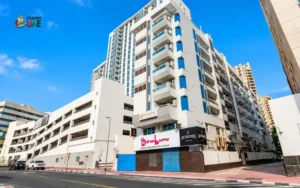
The options range from hotels to serviced apartments, with all the way up to four- and 5-star establishments. The district can please travellers who prefer to visit old Dubai, restaurants and public transport services instead of being surrounded by the newest skyscrapers.
A historic area along the creekside also features unique lodging. Al Seef Heritage Hotel is a hotel that mixes traditional architecture with contemporary hotel amenities next to Dubai Creek, according to Visit Dubai.
District location is important in selecting a hotel. Staying close to Al Fahidi or Al Ghubaiba is ideal for those interested in sightseeing the historic areas, and those looking for shopping, restaurants, or access to other areas of the city may prefer to stay further inland.
Additionally, travellers should verify the walking distance to a metro station, as opposed to just the general neighbourhood. During the hot season, Dubai’s heat can make an otherwise short stroll outdoors uncomfortable.
Is Bur Dubai a good area to stay?
It might be a convenient option for those heading out who prefer access to historical sites, various restaurants, and public transit. It is particularly important if the visitor is more interested in experiencing Old Dubai and the local neighbourhoods rather than being within easy reach of Downtown Dubai’s major landmarks.
The district is also a great spot to explore both sides of Dubai Creek. A visitor can then spend the morning in Al Fahidi, cross the creek via abra,ra and head to Al Shindagha and the traditional markets of Deira.
Not really designed for the type of individual looking for a resort-type beach vacation. The district’s greatest assets include culture, food, shopping, transportation, and the historic waterfront.
What is the best time to visit?
The middle of the day is generally hotter than the morning or late afternoon, so it is better for sightseeing if you do it at another time of day, especially during the hot summer months in Dubai. Visit Dubai suggests morning and early afternoon walking times for the Dubai Heritage Trail, and suggests that visitors bring water and sun protection.
The best timing also depends on the attraction. The use of museums and buildings for relief from heat has proved helpful, and souks and creekside areas can be integrated within the hours the museum works.
Opening times for individual museums, shops, and cultural venues may change for holidays, events, or operational reasons, so check before travelling.
How long do you need to explore Bur Dubai?
It can take about a half day to cover Al Fahidi Historical Neighbourhood, the Textile Souk, and a crossing of a creek. There is plenty of space for Al Shindagha Museum, shopping, food, and culture.
According to Dubai’s official Heritage walking itinerary, it will take about three to five hours to make a walk around the major historic buildings between the two sides of the creek.
One day has more flexibility if you want to go to museums. The district has several themed houses and pavilions at Al Shindagha Museum; taking a quick look at the district might miss a lot of the historical background.
Conclusion
Bur Dubai is a single, well-connected neighbourhood in Dubai that houses some of the most important historic, cultural, and everyday events. The district showcases the traditional souks and Dubai Creek, the local restaurants and abra rides, and Al Shindagha Museum and Al Fahidi Historical Neighbourhood, and provides a glimpse into the city’s history. It also has a rich history, shopping, dining, and public transport, which makes it convenient for visitors exploring Old Dubai. This Old Dubai area is worth visiting for anyone who is interested in exploring an aspect of Dubai that is not the one seen in modern times.
Read Also: Bin Shabib Mall
Frequently asked questions
What is the main attraction in Bur Dubai?
Al Fahidi Historical Neighbourhood is a significant point of attraction here and consists mostly of traditional and historical buildings.
Is Bur Dubai close to Dubai Creek?
Yes. The historic district is located adjacent to Dubai Creek, and many of the attractions are within walking distance of Dubai Creek.
Which metro stations serve Bur Dubai?
The historic district is served by the Green Line stations of Al Fahidi and Al Ghubaiba.
Is Bur Dubai expensive?
Prices vary. Cheap places are found, as well as mid-range and luxurious hotels and restaurants.
Can you walk around Bur Dubai?
Yes. Walking around Al Fahidi, the Textile Souk, Al Shindagha, and along the creek is doable, but one should take into account the weather.
What can you buy in Bur Dubai?
Markets: traditional markets will have textiles, clothing, jewellery, souvenirs, perfumes, and all kinds of everyday products.
How long do you need to explore Bur Dubai?
A few hours are enough for the main heritage attractions, while a full day allows more time for museums, shopping, dining, and the creek.